
Neck Pain Treatment in Happy Valley, OR
Neck pain has a way of spreading beyond the neck — into the shoulder, down the arm, behind the eyes. When it does, the words that show up on an MRI report can sound alarming: herniated disc, degeneration, stenosis. Here's what most people don't get told: those findings are common in people with no pain at all. Your imaging does not determine your outcome.
Recovery from neck pain is possible, and in most cases doesn't require surgery or injections. The research is clear on this — and so is what actually works.
What the Research Says
Most 'abnormal' MRI findings are seen in pain-free individuals — disc bulges, degeneration, and other changes are a normal part of aging (Nakashima et al., Spine, 2015)
Imaging results often depend more on the radiologist reading the scan than on what's actually happening in the spine (Herzog et al., Spine, 2017)
Current clinical guidelines recommend avoiding unnecessary imaging, using manual therapy for short-term relief, and focusing on exercise-based rehab as the most effective long-term approach
One important note: if your neck pain is getting worse at the end of workdays or tied to how long you sit at a screen, the setup is often part of the problem — not just the neck itself. Our post Fix Desk-Related Neck Pain: Ergonomic Tips from a Physical Therapist covers the specific changes that make the most difference and the exercises you can start today.
What Causes Neck Pain?
Neck pain rarely comes from a single, dramatic moment. The more common pattern is gradual — a posture that loads the same tissues the same way, day after day, until the neck runs out of capacity to adapt. The most frequent drivers include:
Sustained forward head posture — for every inch your head moves forward of your shoulders, the load on your cervical spine roughly doubles
Weakness in the deep neck flexors and upper back — the muscles that should be sharing the load stop doing their job, and the neck takes on more than it should
Restricted thoracic mobility — when your upper back doesn't move well, the neck compensates by moving more than it's built for
Acute trauma — whiplash, falls, or direct impact that loads the cervical spine beyond its tolerance
Referred pain from the shoulder — sometimes what feels like neck pain is originating further down the chain
Timber and Iron's Approach to Neck Pain
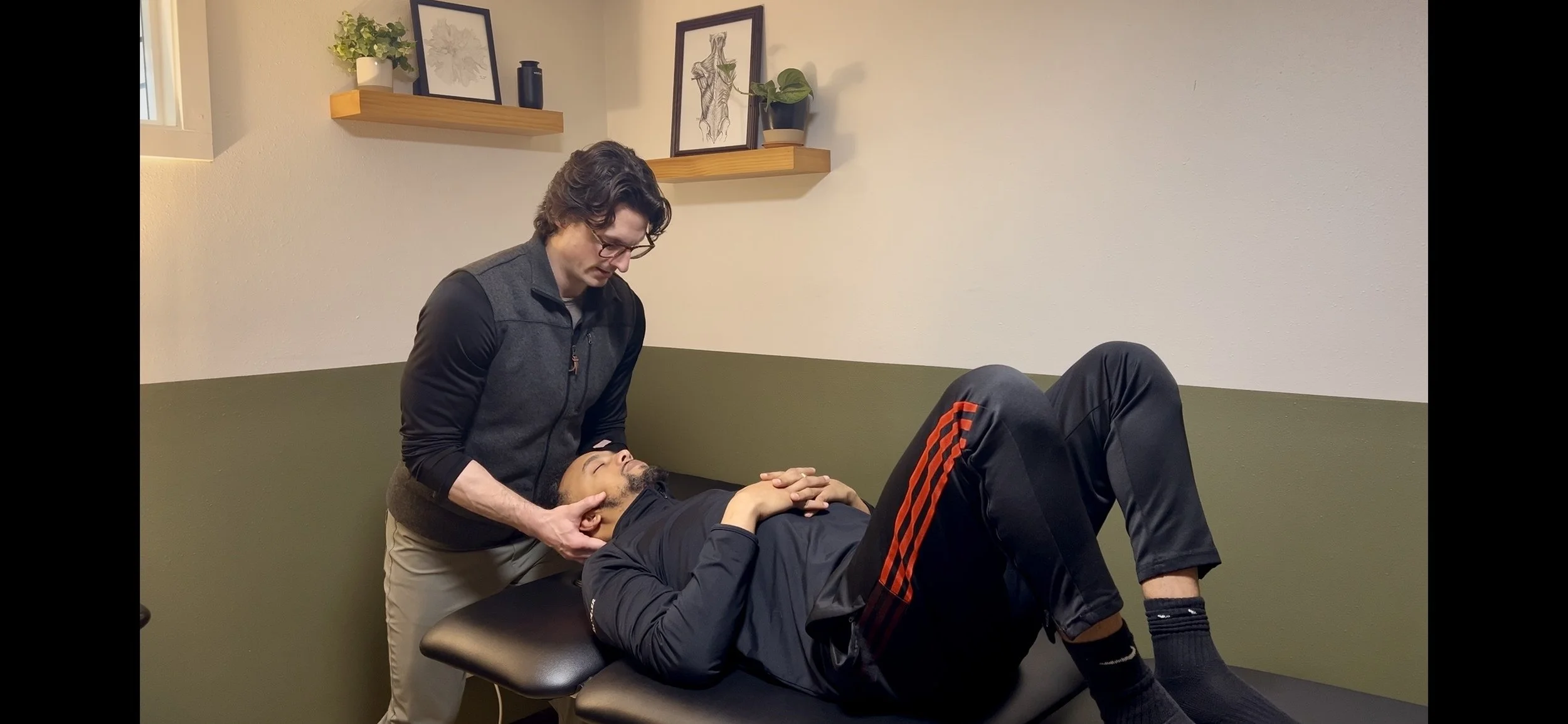
The goal isn't just to calm the pain — it's to understand why the neck is overloaded and fix that pattern. Ryan starts with a full movement assessment: how your neck, shoulder, and upper back move together, where the restrictions are, and what's asking the cervical spine to compensate.
Every appointment is 60 minutes, one-on-one. No rushing through a protocol designed for someone else's spine. Treatment is built around what your neck specifically needs — which is usually a combination of hands-on work to restore mobility and targeted strength work to build the capacity that prevents this from coming back.
If you've been stretching and foam rolling and not getting lasting relief, there's usually a reason — and it comes down to the difference between flexibility and actual movement capacity. Our post on Stretching vs. Mobility: What the Research Really Says About Movement Quality explains why, and what to do instead.
Treatment options we use for neck pain:
Manual Therapy — spinal manipulation and mobilization to restore normal joint movement and reduce pain
IASTM (Instrument Assisted Soft Tissue Mobilization) — targeted work on restricted muscle and fascial tissue
Soft Tissue Mobilization — hands-on work to release tension in the muscles surrounding the cervical spine
Myofascial Decompression (Cupping) — decompress tight tissue in the neck and upper back
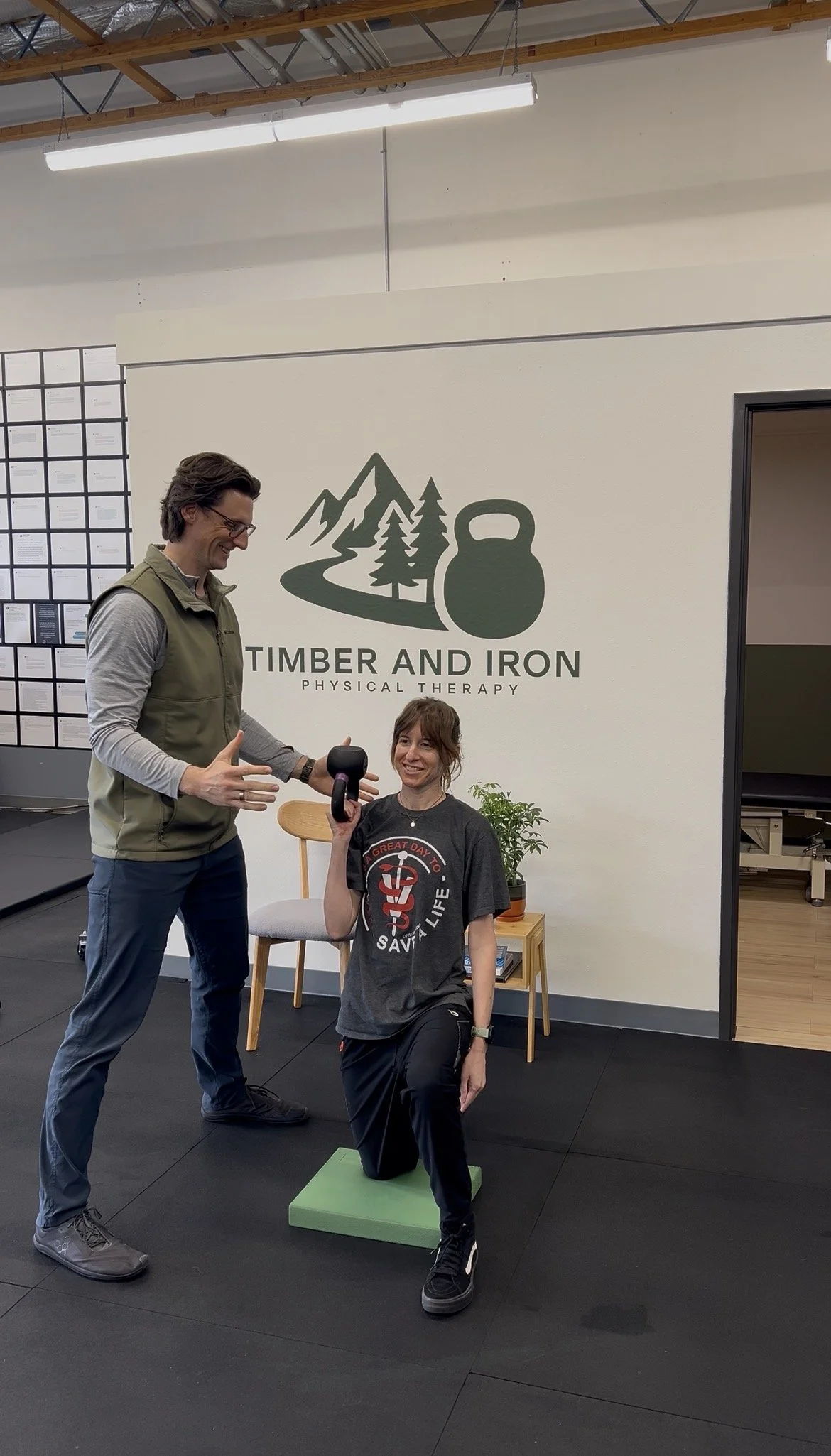
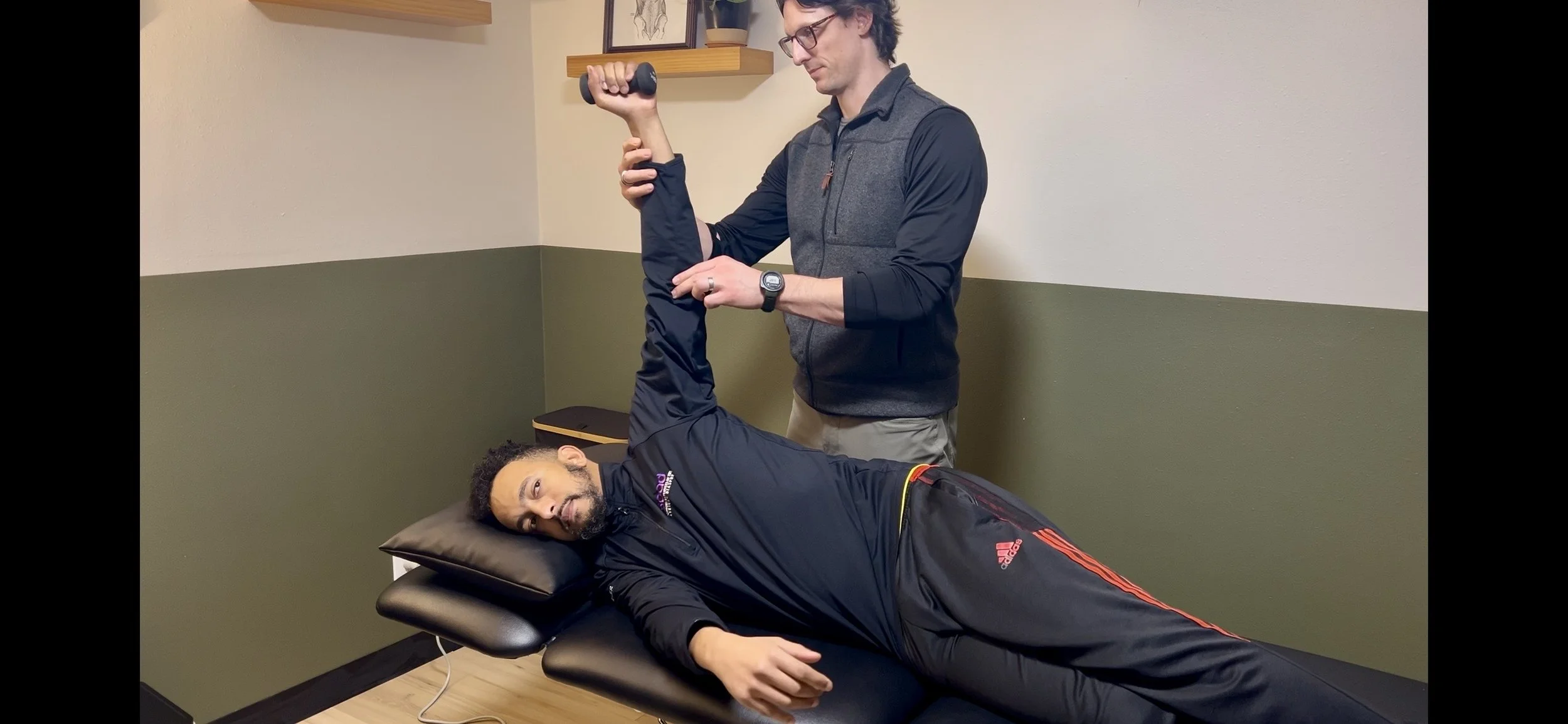
Strength and Mobility Training — rebuild the capacity that keeps the neck from overloading again
What to Expect at Your First Appointment
Your first visit is a full hour with Dr. Ryan Eckert — no tech handoff, no brief assessment before being sent to a table with a heat pack. Ryan will go through your history, what's been tried before, what makes it better and worse, and what you're trying to get back to.
From there he'll assess how your cervical spine, upper back, and shoulder girdle move together. Most people leave their first appointment with a clearer picture of what's actually happening than they've had from any prior imaging or consultation — and a plan that makes sense for their life, not a generic protocol.
Oregon is a direct access state — no referral required. You can book directly online.
Common Questions About Neck Pain
My MRI showed a herniated disc. Does that mean I need surgery?
Almost certainly not — and the research supports that. Studies consistently show that herniated discs and degenerative changes appear on the scans of people who have no pain. The disc finding on your image may have nothing to do with your symptoms. PT addresses the movement patterns and load issues that are actually driving the pain, and most people see significant improvement without any intervention beyond that.
The pain goes down my arm. Is that serious?
Radiating pain into the arm or hand — sometimes called cervical radiculopathy — is worth taking seriously, but it's not automatically a surgical problem. Nerve irritation in the neck responds well to manual therapy and targeted exercise in most cases. Ryan will assess your neurological signs at your first visit and refer you for further evaluation if there's a reason to. Most people with arm symptoms see meaningful improvement with PT.
I've had neck pain for years. Can PT still help?
Yes — and chronic neck pain is one of the conditions that responds especially well to a comprehensive movement-based approach. Long-standing neck pain often reflects accumulated movement compensations rather than irreversible structural damage. Identifying and correcting those patterns is exactly what PT is designed to do. If you're also navigating how your body is changing with age, our post Staying Active in Your 40s and 50s: A Physical Therapist's Guide to Lifelong Movement is worth reading alongside your treatment.
When should I go to the ER instead of PT?
Seek emergency care if your neck pain follows a significant trauma (car accident, fall from height), if you have progressive weakness or numbness in both arms or legs, if you're losing bladder or bowel control, or if you have a fever alongside severe neck stiffness. These are red flags that need immediate evaluation. For everything else — including sharp pain, radiating symptoms, or pain that's been there for months — PT is the right first stop.
Neck pain doesn't have to linger. Book directly at HERE — no referral needed in Oregon.