

Physical Therapy Services in Happy Valley, OR
Physical Therapy in Happy Valley & Clackamas, OR
Recover from injury, reduce pain, and get back to the activities you love. At Timber and Iron Physical Therapy, you’ll receive one-on-one care focused on building strength, restoring mobility, and preventing future setbacks. We don’t just treat symptoms — we help you come back stronger than before.
Most people come to physical therapy because something stopped working. A knee that won't let them run. A back that makes getting out of bed feel like a project. A shoulder that's been nagging for months. Whatever got you here, the goal is the same: figure out what's actually driving the problem, address it directly, and get you back to doing what you were doing before it started.
At Timber and Iron Physical Therapy, every session is one on one with a Doctor of Physical Therapy. No aides, no handoffs, no rotating staff. Just 60 minutes of focused attention on you and what you need.
What Makes Physical Therapy at Timber and Iron Different
The high-volume clinic model exists because it's profitable, not because it produces better outcomes. Fifteen-minute appointments split across multiple patients mean your physical therapist is managing a schedule, not your care. Timber and Iron was built around a different premise: that patients deserve an hour of undivided attention, that hands-on treatment and exercise work better together than either does alone, and that a plan built around your actual goals produces better results than a generic protocol.
Every treatment plan starts with a thorough evaluation of what's driving your symptoms, not just where it hurts. Pain is usually the last thing to show up and the first thing to improve. Understanding the movement patterns, strength deficits, and loading habits underneath it is what keeps it from coming back.
Conditions We Treat
We work with active adults and athletes across a wide range of musculoskeletal conditions. Low back pain and neck pain are among the most common presentations we see, and both respond well to a combination of hands-on treatment and targeted exercise. Our low back pain treatment page and neck pain treatment page cover what those approaches look like in more detail.
Shoulder, knee, and hip injuries make up a large portion of our caseload, particularly in runners, lifters, and cyclists. Whether you're dealing with a rotator cuff issue, patellofemoral pain, or hip impingement, the approach is the same: identify what's driving the problem, restore the movement and capacity that's been lost, and build enough resilience to handle your training load without breaking down. See our shoulder pain, knee pain, and hip pain pages for more.
Foot and ankle pain, including plantar fasciitis and ankle sprains, headaches, elbow and wrist pain, chronic pain, and post-surgical rehabilitation are all conditions we treat regularly. If you're not sure whether PT is the right fit for what you're dealing with, the easiest thing to do is book a discovery call and ask.
How Physical Therapy Works
Most people work through their primary issue in about 2 to 3 months, which typically comes out to 8 to 12 visits. Your physical therapist will give you a realistic estimate at your first appointment based on what they find, and that plan gets adjusted as you progress.
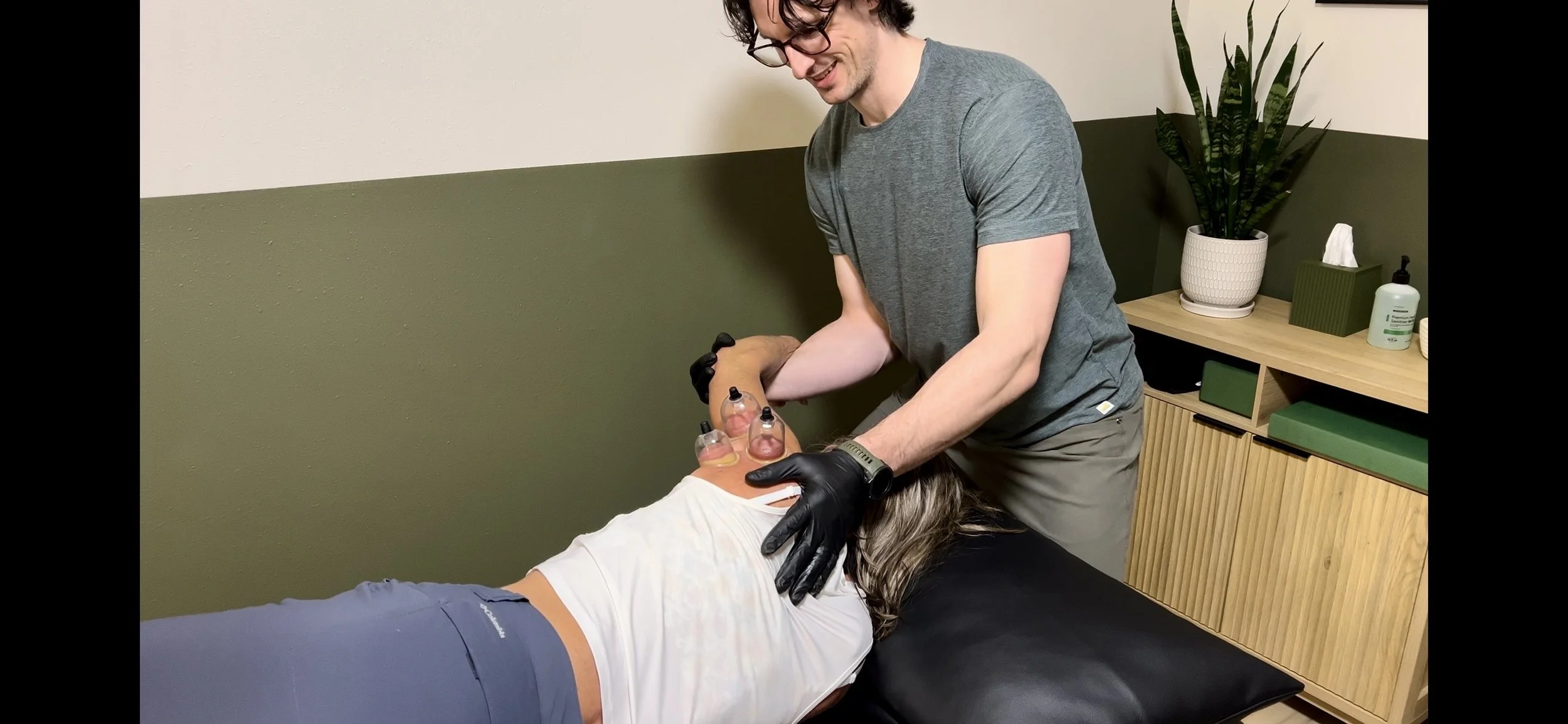
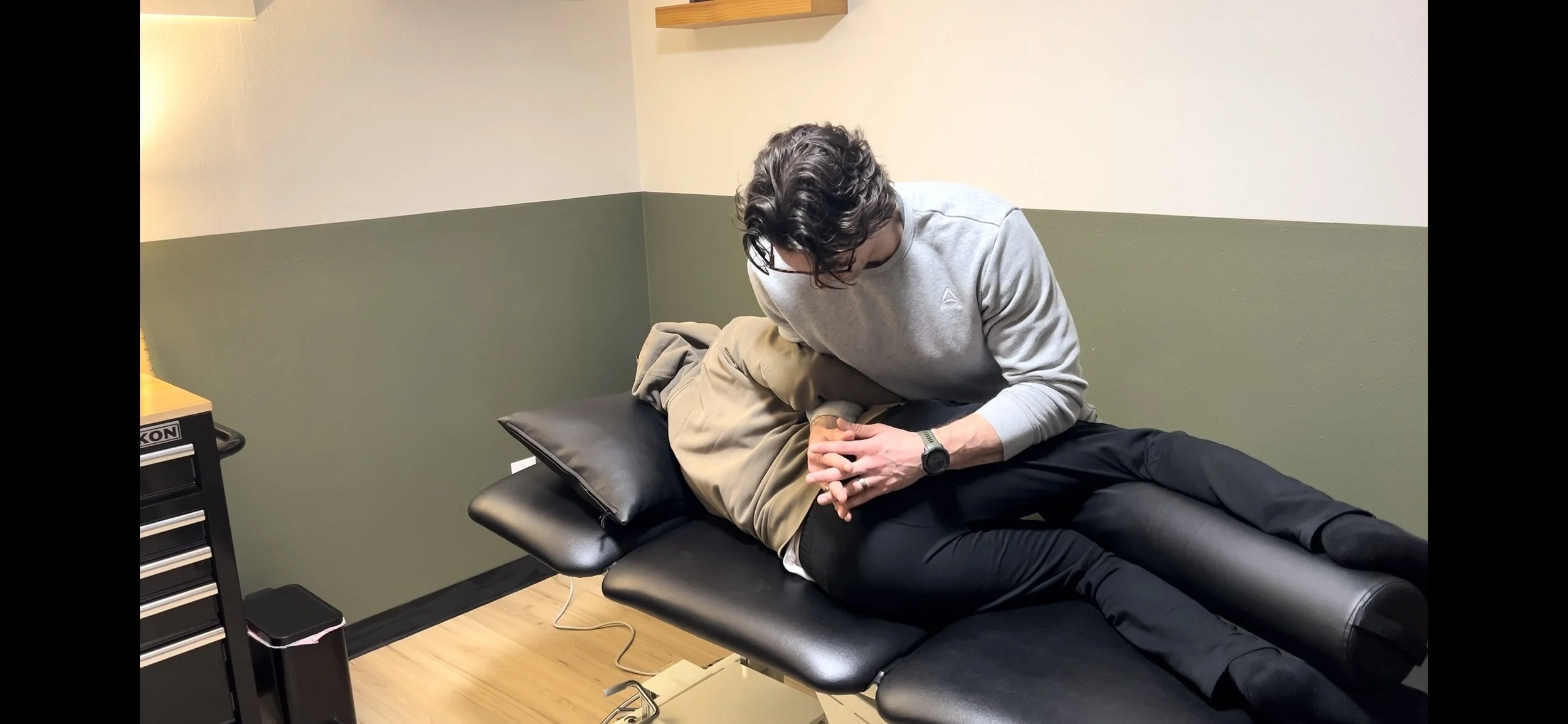
Treatment at Timber and Iron combines hands-on care with strength and movement training. The hands-on component, which may include joint mobilization, soft tissue work, instrument assisted soft tissue mobilization, or myofascial decompression, addresses what's currently limiting your movement. The exercise component builds the capacity to sustain it. One without the other tends to produce temporary results. Together they produce durable ones.
Recovery doesn't stop when you leave the clinic. Sleep, stress, and how you manage activity outside of sessions all affect how quickly you progress. Your physical therapist will address those factors directly rather than treating your body as if it exists in isolation. If you want to understand how much recovery quality matters, our blog on sleep hygiene and physical therapy is worth reading.
For patients considering whether PT might help them avoid a procedure, research consistently supports conservative management as a first-line approach for many of the conditions that commonly lead to surgery, including meniscus tears, rotator cuff injuries, and lumbar disc problems. Our blog post on the role of physical therapy in avoiding surgery covers this in more detail.
Treatment Options We Provide
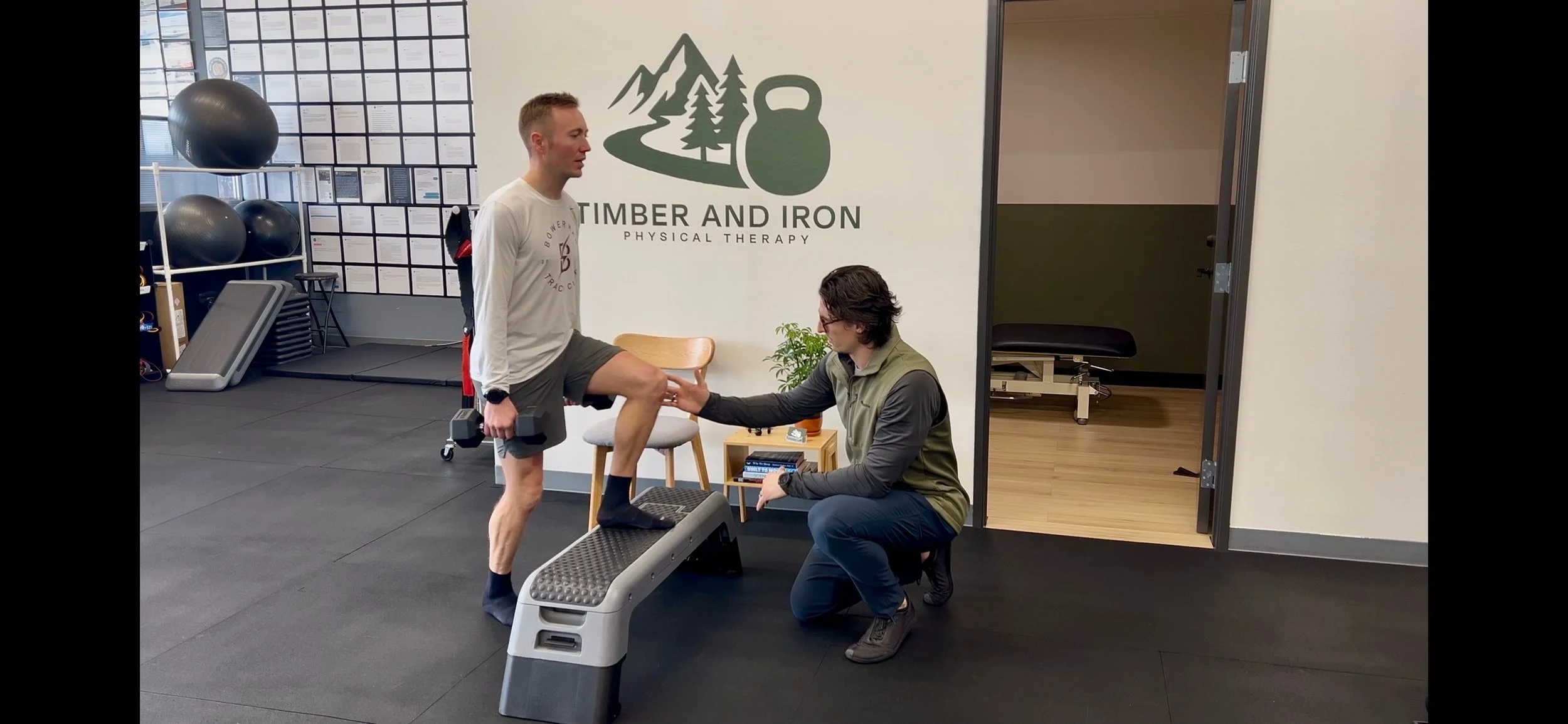
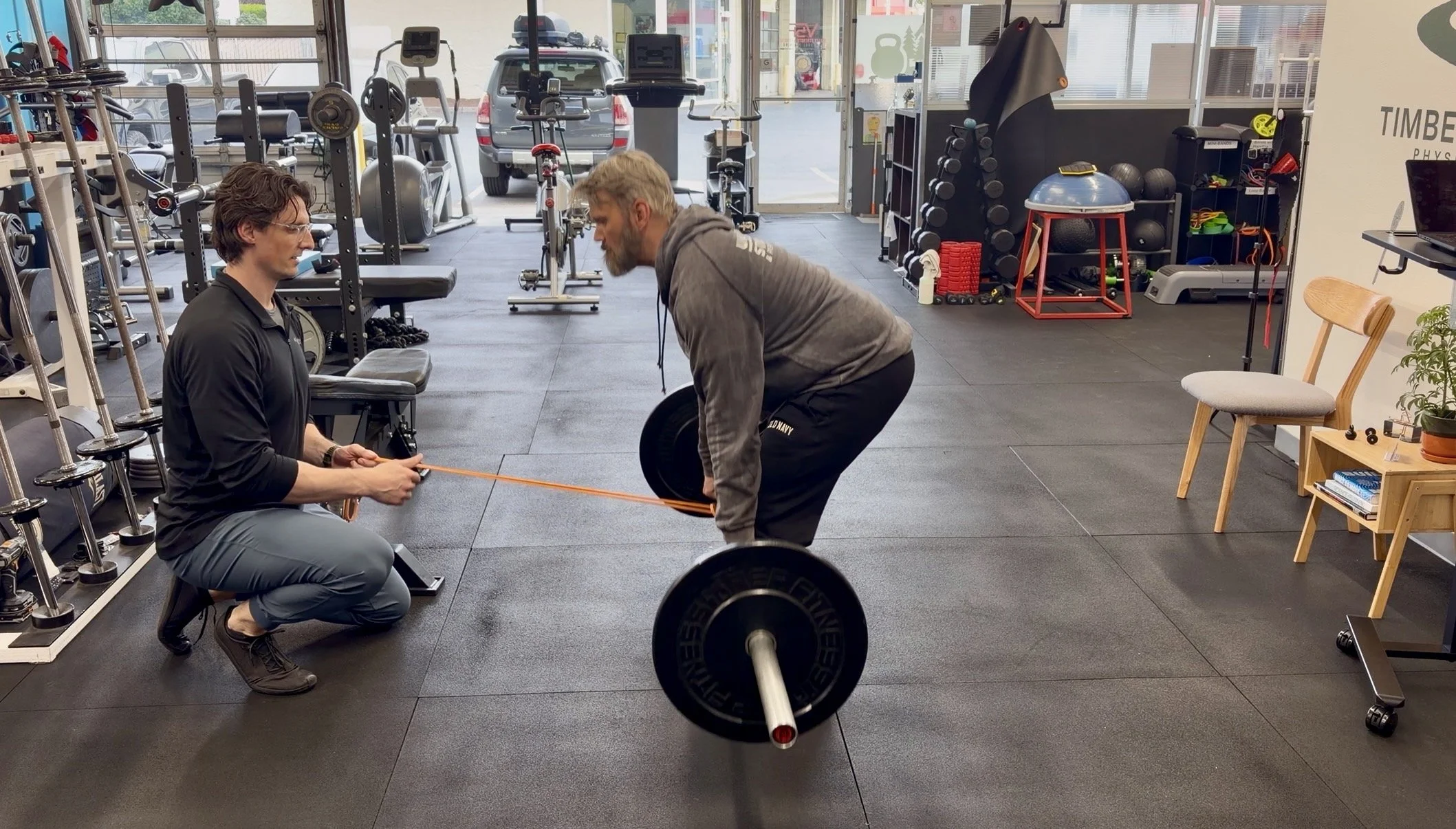
Manual therapy including joint mobilization and manipulation, instrument assisted soft tissue mobilization, soft tissue mobilization, and myofascial decompression. Strength and conditioning programs built around your sport or activity. Movement analysis and retraining. Lifestyle and recovery guidance including sleep, stress management, and activity planning.
Who Benefits from Physical Therapy
Active adults who want to stay fit and injury-free. Athletes returning to sport after an injury. Post-surgical patients rebuilding mobility and strength. Anyone who's been told to rest and wait, tried it, and is still in the same place they started.
Oregon is a direct access state. No referral needed. Book your physical therapy evaluation at HERE or call 503-567-4035.
Common Questions About Physical Therapy
What should I expect at my first physical therapy appointment?
Your first visit is a full hour with your physical therapist. You'll talk through your goals, medical history, and what's been going on, followed by a physical exam and movement assessment. You'll leave with a clear picture of what's driving your symptoms and a plan to address it, along with exercises or strategies you can start using right away.
How long will physical therapy take?
Most people work through their primary issue in about 2 to 3 months, which typically comes out to 8 to 12 visits. That said, every case is different. Some people need fewer sessions, some need more. Your physical therapist will give you a realistic estimate at your first appointment based on what they find, and that plan gets adjusted as you progress.
Do I need a referral to start physical therapy?
No. Oregon is a direct access state, which means you can book directly without a physician referral. Some insurance plans may still require one for coverage purposes, so it's worth checking your specific plan, but you don't need one to get started.
What insurance does Timber and Iron accept?
We are in-network with First Choice Health, Regence Blue Cross Blue Shield, and MODA. We also accept motor vehicle accident claims and workers compensation, and we're happy to provide a superbill for out-of-network reimbursement. Self-pay options are available as well.
Is physical therapy just exercises, or is there hands-on treatment involved?
Both. Every session includes hands-on care alongside active work. Depending on what you need, that might include joint mobilization, soft tissue work, instrument assisted soft tissue mobilization, or myofascial decompression. The hands-on component addresses what's limiting your movement, and the exercise component builds the capacity to keep it moving well long term.
This content is for educational purposes only and does not constitute medical advice. For guidance specific to your situation, schedule a consultation at Timber and Iron Physical Therapy.
Running Analysis & Injury Prevention in Happy Valley, OR
Up to 8 out of 10 runners get injured each year, often due to mechanics, strength imbalances, or training errors. Our Running Analysis uses video gait analysis, strength testing, and personalized programming to help you run stronger, faster, and with less risk of injury.
Most running injuries don't come out of nowhere. They build quietly, one stride at a time, until something that was manageable becomes something that forces you off the road. A 2021 systematic review published in the Journal of Sport and Health Science found that running-related injury rates average around 40% across recreational runners — and that number climbs significantly for those ramping up mileage or training for an event.
The frustrating part is that most of those injuries are preventable. Gait mechanics, strength imbalances, and training load are all modifiable. You just need to know what you're working with.
A Running Analysis at Timber and Iron Physical Therapy gives you that information. Whether you're dealing with a current injury, trying to stay ahead of one, or looking to run more efficiently, your physical therapist will break down your stride, identify what's contributing to pain or inefficiency, and give you a clear plan to move forward.
Why Running Mechanics Matter More Than Most Runners Realize
Running looks simple. It's not. Every stride involves a complex interaction between your foot strike, ankle stiffness, hip drive, trunk position, and arm swing. When one piece of that chain isn't working well, the surrounding structures compensate. Those compensations are usually invisible until they become painful.
Knee pain is the most commonly reported running injury, accounting for nearly a third of all running-related complaints. Patellofemoral pain, IT band syndrome, and patellar tendinopathy are all closely tied to how load is distributed through the lower extremity during the running stride. Our knee pain treatment page covers what those presentations look like and how they're addressed.
Shin splints and Achilles tendinopathy are among the top five most common running injuries by incidence, both driven heavily by training load and the way force travels through the lower leg. Hip strength deficits, cadence, and foot strike pattern all contribute. Understanding your mechanics before those injuries develop — or while they're still manageable — changes the outcome significantly.
Running form also directly affects performance. Inefficient mechanics mean more energy spent moving in directions that don't propel you forward. Small improvements in stride rate, hip extension, and trunk control translate into real gains in pace and endurance over longer distances.
What a Running Analysis at Timber and Iron Includes
Your session is 60 minutes, one on one with your physical therapist. It starts with a conversation about your goals, training history, and any current or past injuries before anything else happens.
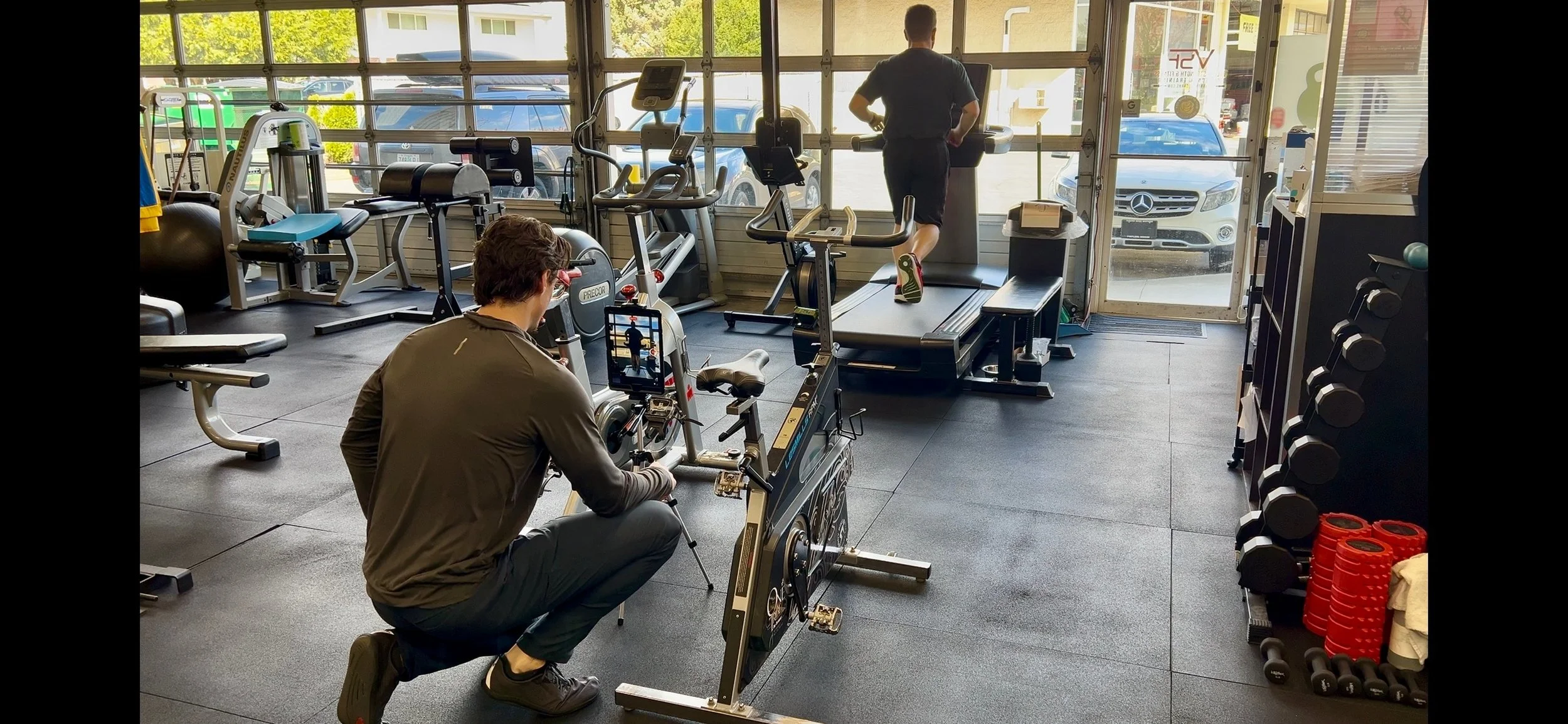
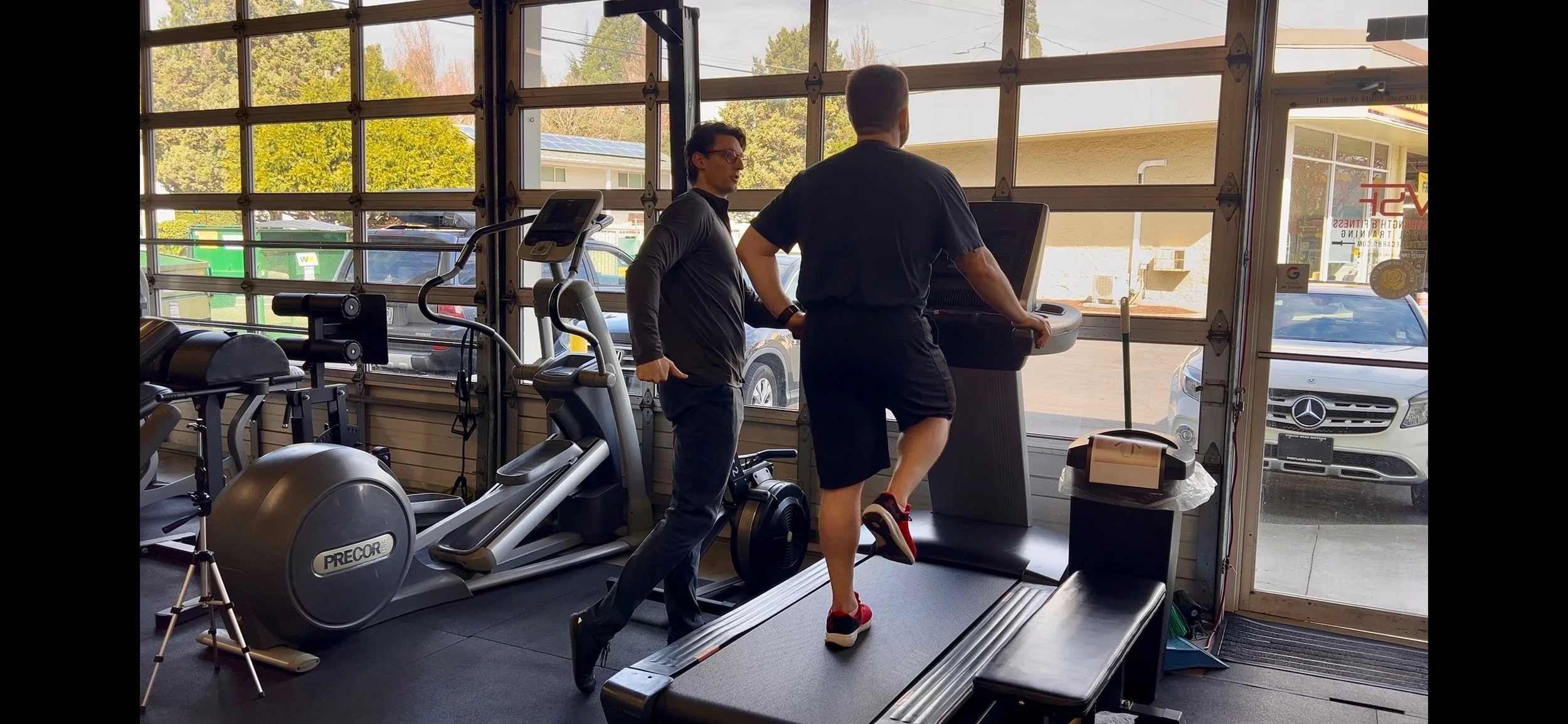
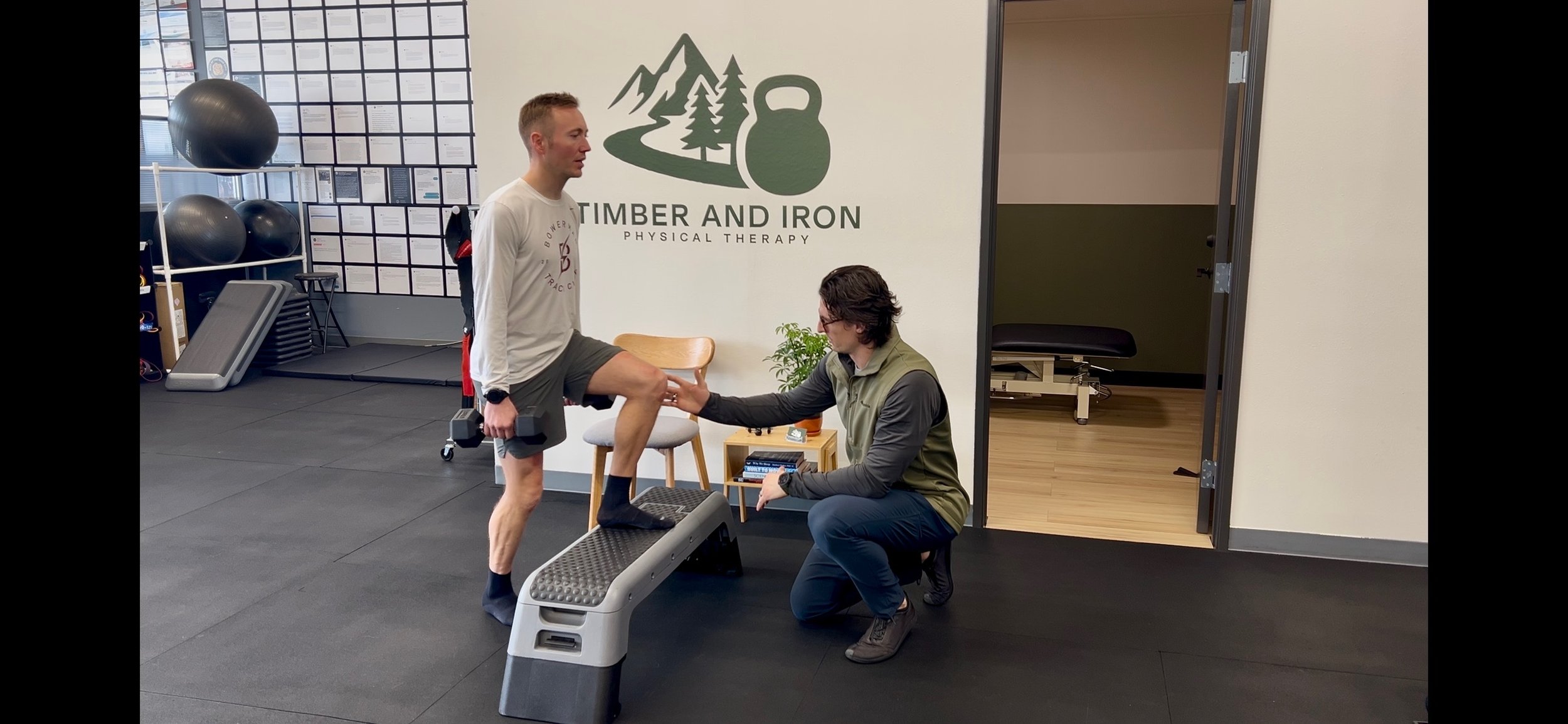
From there, your physical therapist will assess your strength and mobility off the treadmill — hips, knees, ankles, and core — because what your body can do off the bike determines what it does on it. Then comes the video gait analysis, where your running mechanics are captured and reviewed in detail. Your physical therapist will walk you through what they're seeing and connect it directly to your symptoms or performance goals.
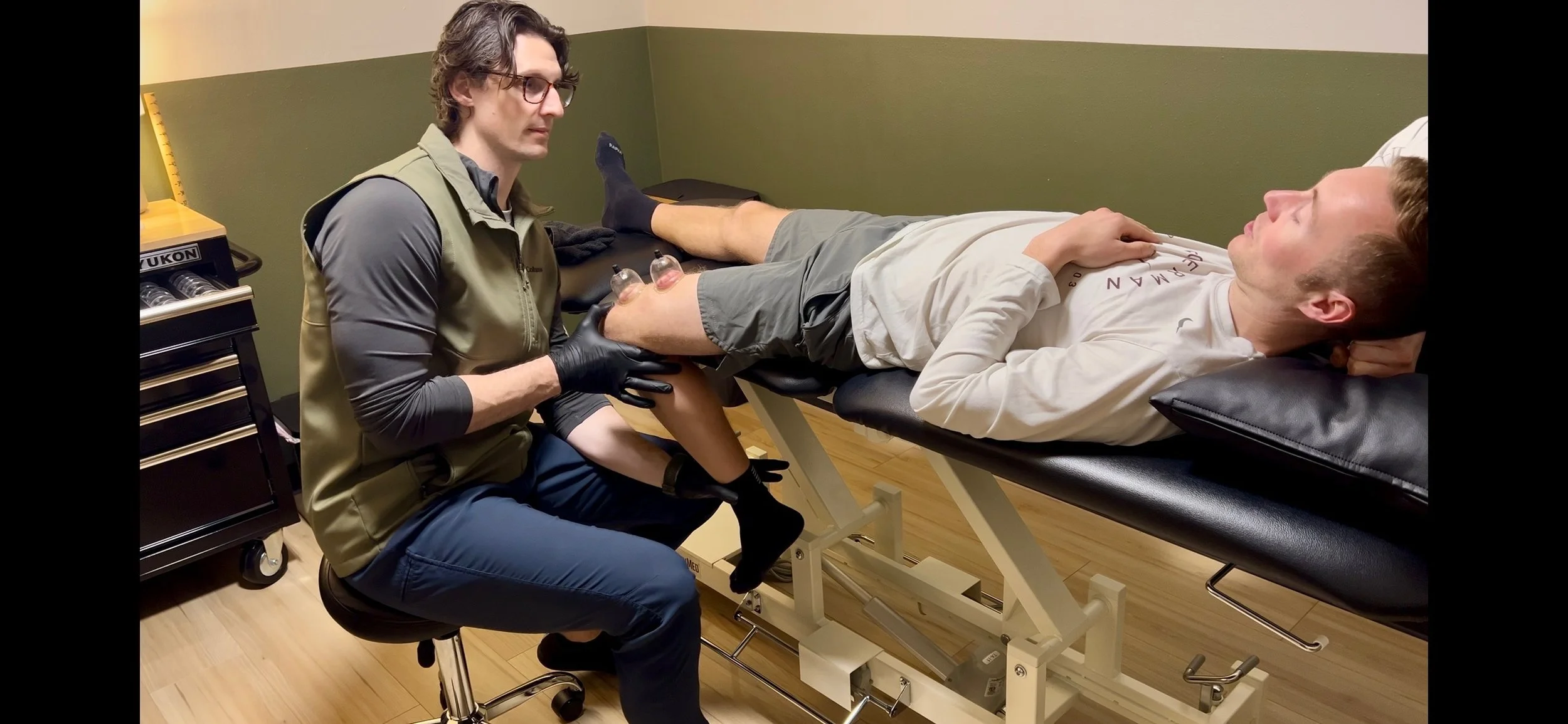
You'll leave with specific exercises and movement cues to work on at home, along with recommendations for technique adjustments and, where relevant, changes to footwear or training load. Depending on what's found and how the session goes, there may also be time for hands-on treatment like myofascial decompression. If more treatment time makes sense, your physical therapist will recommend a follow-up.
Who Benefits from a Running Analysis
Runners dealing with recurring pain that keeps coming back despite rest. Runners preparing for a race who want to make sure their mechanics will hold up as mileage increases. New runners who want to build a solid foundation from the start rather than learn through injury. Experienced runners who feel like they're leaving performance on the table and want to understand why.
Some of the most useful sessions are with runners who feel fine right now. Identifying a loading pattern or movement limitation before it becomes a problem is significantly easier than addressing it after an injury has set in.
What the Research Says About Running Injury Prevention
Strength training is one of the most well-supported interventions for reducing running injury risk. Research consistently shows that hip abductor and external rotator strength deficits are associated with knee pain, IT band syndrome, and stress fractures in runners. Addressing those deficits through targeted exercise reduces injury incidence and improves running economy.
Cadence modification — specifically increasing step rate — has been shown to reduce loading at the knee and hip, making it one of the most accessible mechanical adjustments a runner can make. Gait retraining studies have demonstrated meaningful reductions in patellofemoral pain and tibial stress through relatively simple cue-based interventions.
The evidence is clear that running injuries are not just a matter of bad luck or high mileage. They're largely predictable and largely preventable when you understand the mechanics driving them.
For more on how to build durability as a runner, our blog covers 5 key strength exercises every runner needs, how to answer the question of whether to train through pain, and how to build training momentum without breaking down.
Common Questions About Running Analysis
What happens during a running analysis session?
Your session is 60 minutes with your physical therapist. It includes a movement assessment off the treadmill, video analysis of your running gait, and a review of what's driving any pain, inefficiency, or injury risk in your mechanics. You'll leave with specific exercises and movement cues to work on at home, and depending on what's found, there may be time for hands-on treatment like myofascial decompression as well.
Do I need to be injured to get a running analysis?
No. Some of the most useful sessions are with runners who feel fine but want to stay that way. A gait analysis can identify loading patterns and movement habits that don't cause pain yet but will over time, especially as mileage increases.
What should I bring to my running analysis appointment?
Bring your running shoes and wear what you'd normally run in. If you've been dealing with a specific issue, it helps to have a sense of when it started and what makes it better or worse. No referral is needed to book in Oregon.
How is a PT-led running analysis different from a treadmill assessment at a running store?
A running store assessment is focused on matching you to the right shoe. A PT-led analysis looks at the whole picture — your strength, mobility, movement patterns, and injury history — and connects what's happening in your gait to what's happening in your body. The recommendations go beyond footwear.
Will I get treatment during my running analysis?
The focus of the session is the assessment and your home program, but there is sometimes time for hands-on work like cupping or soft tissue treatment depending on what's found. If more treatment time is needed, your physical therapist will recommend a follow-up appointment.
This content is for educational purposes only and does not constitute medical advice. For guidance specific to your situation, schedule a consultation with a physical therapist at Timber and Iron Physical Therapy.
Professional Bike Fitting in Happy Valley, OR
A proper bike fit is the key to riding comfortably, efficiently, and injury-free. Small adjustments to your saddle, handlebars, and cleats can make a big difference in performance and pain prevention. Our bike fits combine PT expertise with cycling knowledge to keep you strong on the bike.
You spent real money on your bike. You've dialed in your training. But if your position on the bike isn't right, none of that matters as much as it should. A poorly fitted bike doesn't just cost you comfort on long rides. It quietly loads the wrong structures, creates compensations that build over time, and eventually produces the kind of knee, back, hip, or neck pain that forces you off the bike entirely.
A professional bike fit is one of the highest-return investments a cyclist can make, whether you're riding for performance, fitness, or just the joy of being out on the road. Small adjustments to saddle height, cleat position, or handlebar reach change how force travels through your body on every pedal stroke. Get those adjustments right, and you ride stronger, longer, and without the nagging discomfort that most cyclists accept as normal.
It isn't normal. And it's fixable.
Why Bike Fit Matters More Than Most Cyclists Realize
Cycling is a repetitive sport. A typical road ride involves thousands of pedal strokes, each one loading the knees, hips, and lumbar spine in a pattern determined almost entirely by your position on the bike. When that position is even slightly off, the cumulative effect on tissue over the course of a season is significant.
Knee pain is the most commonly reported cycling injury, affecting a large proportion of regular cyclists. The position of the saddle, cleat angle, and foot alignment all directly influence how the knee tracks through each pedal stroke. A saddle that is too low, too high, or too far forward changes the load on the patellofemoral joint and the surrounding tendons in ways that don't show up immediately but accumulate over miles. Our Knee Pain treatment page covers what those presentations look like and how they're treated.
Low back pain is the second most common complaint among cyclists, particularly road and time trial riders who spend extended time in an aggressive forward position. Handlebar reach, saddle tilt, and hip flexibility all contribute to how much load the lumbar spine absorbs. A fit that accounts for your actual mobility rather than an idealized position makes a substantial difference. If you're already dealing with back pain on the bike, our Low Back Pain treatment page is worth reviewing alongside your fit.
Hip pain, including impingement and lateral hip discomfort, is closely tied to saddle height and cleat alignment. When the saddle is too high, the pelvis rocks to compensate. When cleat float doesn't match natural foot alignment, the hip absorbs rotational stress that adds up over thousands of repetitions. Our Hip Pain treatment page covers the most common cycling-related hip presentations in more detail.
Neck and shoulder discomfort is common in cyclists who are stretched too far forward or whose handlebar height doesn't match their flexibility and riding style. This is especially prevalent in riders who have transitioned to a more aggressive position without the mobility to support it comfortably.
What a PT-Led Bike Fit Includes
A bike fit at Timber and Iron is different from a standard fitting service because it starts with you, not the bike. Your physical therapist brings a clinical understanding of how your body moves, where your limitations are, and what your history of pain or injury means for your position on the bike.
The fit process includes a detailed history of your riding goals, current concerns, and any pain or injury you've experienced on or off the bike. From there, your physical therapist will assess your flexibility, strength, and posture off the bike before making any adjustments, because the right position for your body depends on what your body can actually do.
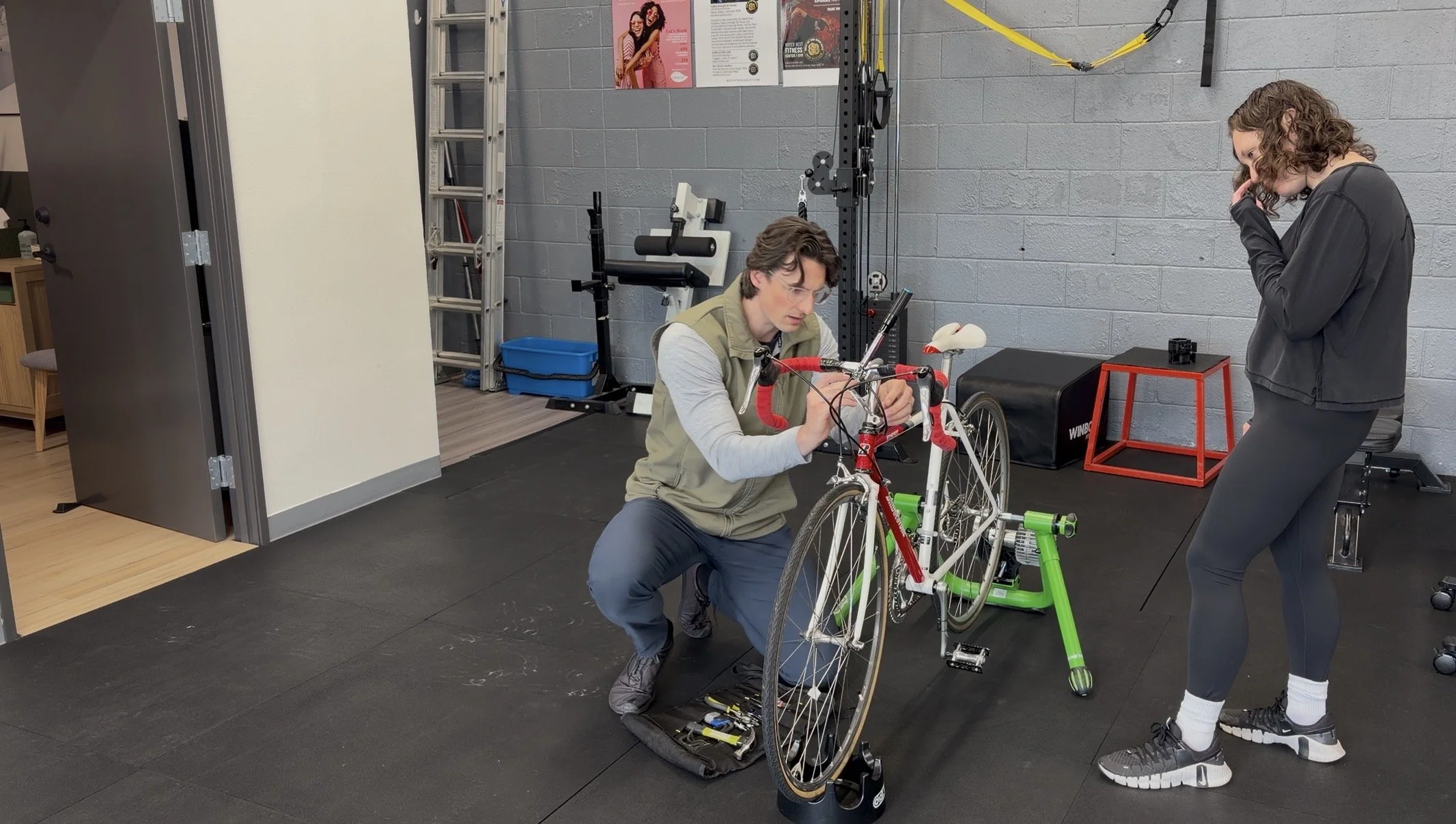
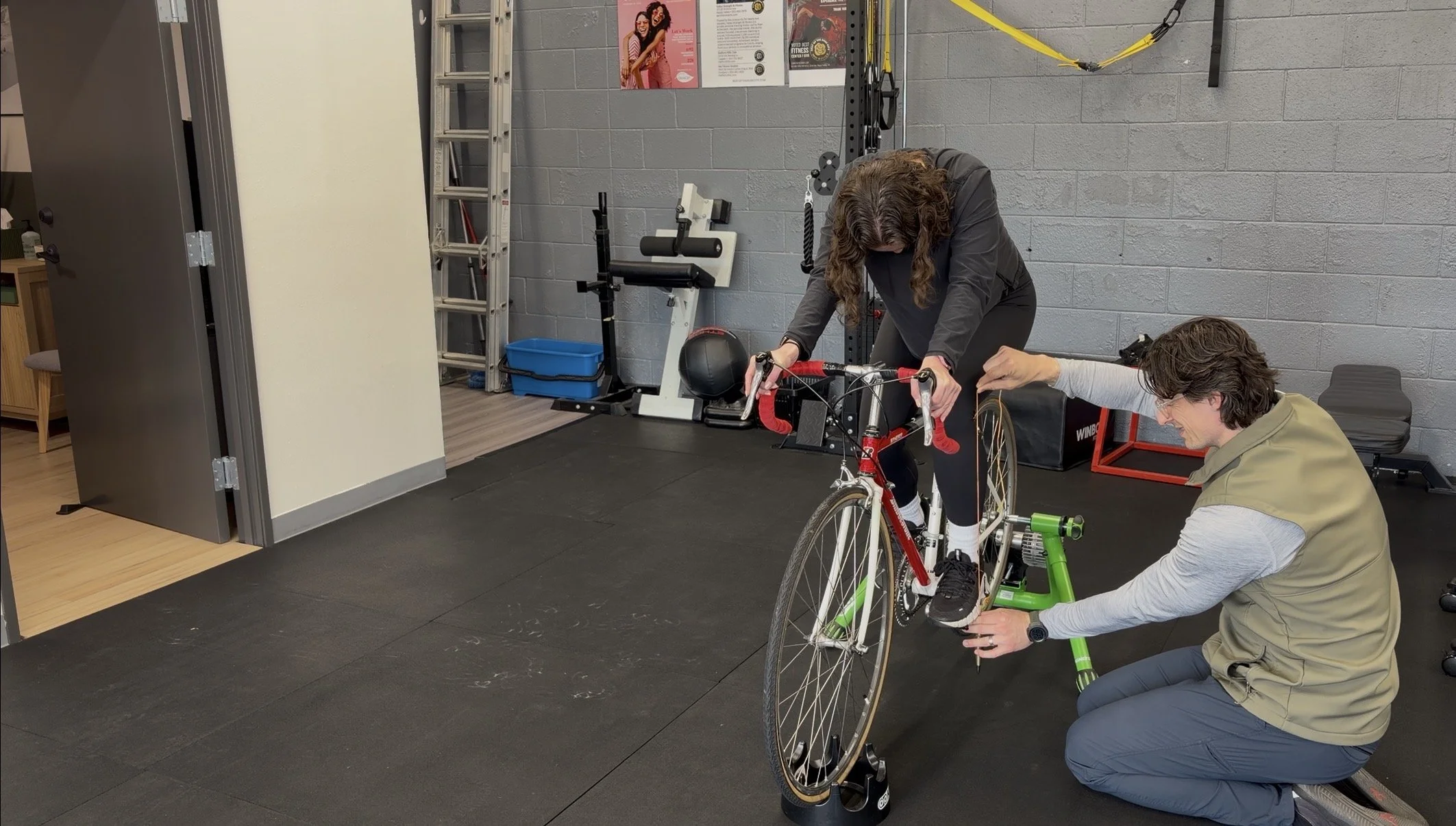
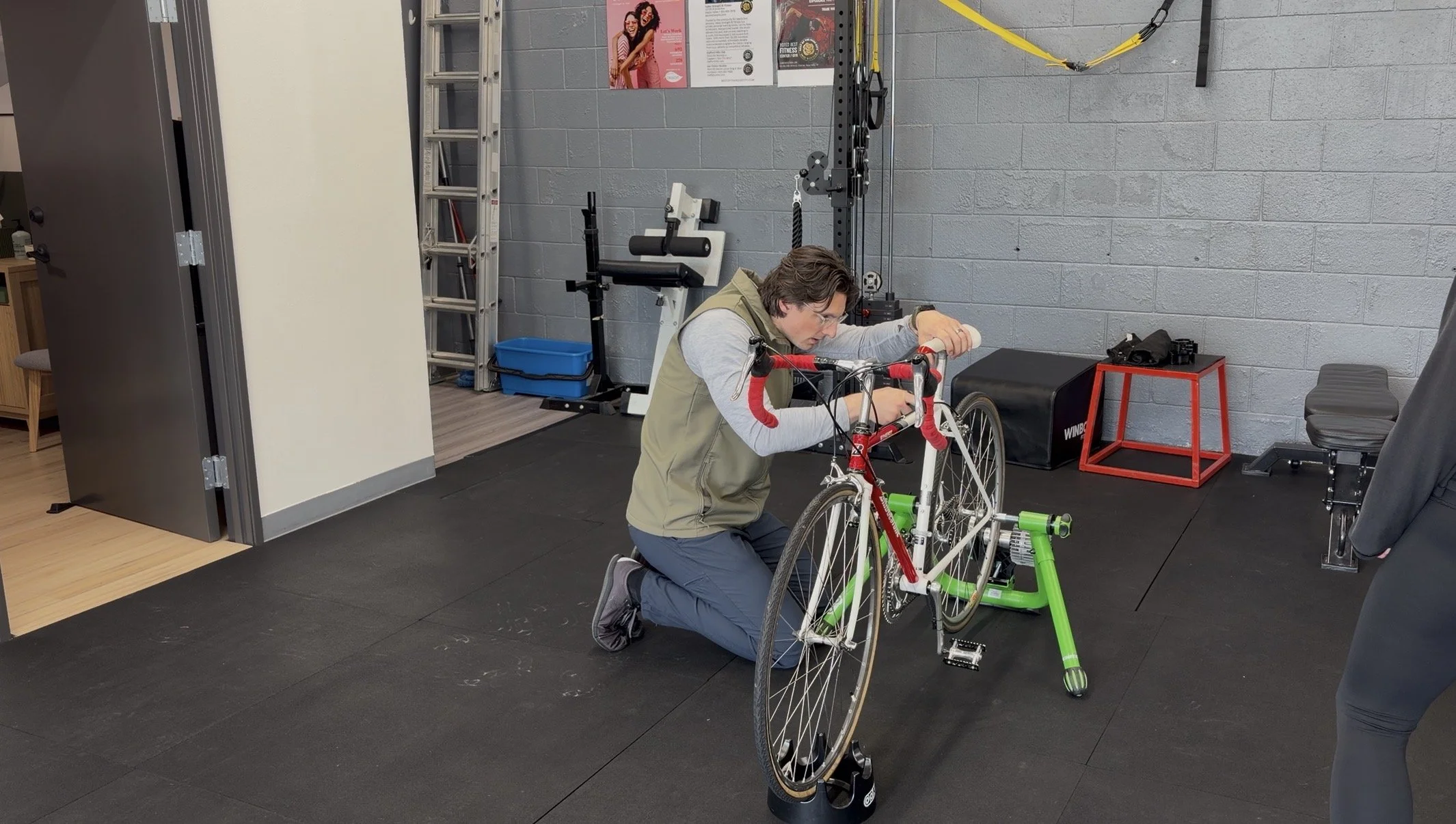
On-bike assessment and adjustment covers saddle height and fore/aft position, handlebar reach and drop, cleat alignment and float, and overall positional efficiency. Your physical therapist will observe your movement patterns on the bike directly, looking at how your hips, knees, and spine are moving through the pedal stroke rather than relying on static measurements alone.
You'll leave with individualized recommendations for your bike setup and, where relevant, specific strength and mobility work to support your position long term. Because the best fit in the world is limited by what your body can sustain, and building the capacity to hold a strong position is part of what separates a good fit from a great outcome.
Who Benefits from a Professional Bike Fit
Cyclists dealing with pain during or after rides, whether that's knee ache on climbs, low back tightness on long days, or hip discomfort that shows up in the final hour of a ride.
Riders returning from injury who want to make sure their position isn't going to reload the tissue that just healed.
Performance-focused cyclists looking to maximize power output and efficiency. An optimized position reduces energy expenditure at the same power output, which translates directly to speed and endurance over long efforts.
New bike owners who want to get the setup right from day one rather than spending months riding into a problem.
Cyclists who have had a fit elsewhere but still don't feel right. A PT-led fit looks at the body first, which changes what adjustments get made and why.
What to Expect at Your Bike Fit Appointment
Your bike fit is a dedicated appointment with your physical therapist. Bring your bike, your cycling shoes, and your usual riding kit. Plan for a thorough session that covers your history, your off-bike assessment, and your on-bike adjustments with time to evaluate how each change affects your movement and comfort.
You'll leave with a clear record of your adjusted measurements and specific recommendations for any strength or mobility work that would support your position further. If any findings suggest an underlying injury or movement limitation worth addressing in a separate PT appointment, your physical therapist will flag that directly.
Oregon is a direct access state. No referral is needed to book a bike fit or any PT service at Timber and Iron.
Common Questions About Bike Fitting
How do I know if I need a bike fit?
If you experience pain during or after rides, you need a fit. If you've recently changed bikes, shoes, or components, a fit is worth doing. If you're training for an event and increasing volume, a fit is one of the best preventive investments you can make before the load ramps up.
Can a bike fit fix my knee pain?
In many cases, yes, at least in part. Cycling-related knee pain is frequently position-dependent, meaning the pain is being driven by how the knee is loading through the pedal stroke rather than structural damage. Correcting the position reduces the load, and the tissue can recover. If there's an underlying strength or mobility issue contributing, your physical therapist will identify that as part of the fit process.
Do I need to bring my bike?
Yes. A bike fit requires your actual bike and your cycling shoes. If you have multiple bikes you ride regularly and are experiencing problems on more than one, it's worth discussing whether a second fit session makes sense.
How is a PT-led bike fit different from a fit at a bike shop?
A bike shop fit typically starts with the bike and works toward your body. A PT-led fit starts with your body, assesses how you move and where your limitations are, and then adjusts the bike to match. The clinical background changes what gets assessed, what adjustments get made, and what follow-up recommendations come out of the session.
Do I need a referral?
No. Oregon is a direct access state, and no referral is needed to book a bike fit or any other service at Timber and Iron.
Ready to ride without pain and perform at your best? Book your professional bike fit at HERE.
This content is for educational purposes only and does not constitute medical advice. For guidance specific to your situation, schedule a consultation at Timber and Iron Physical Therapy.